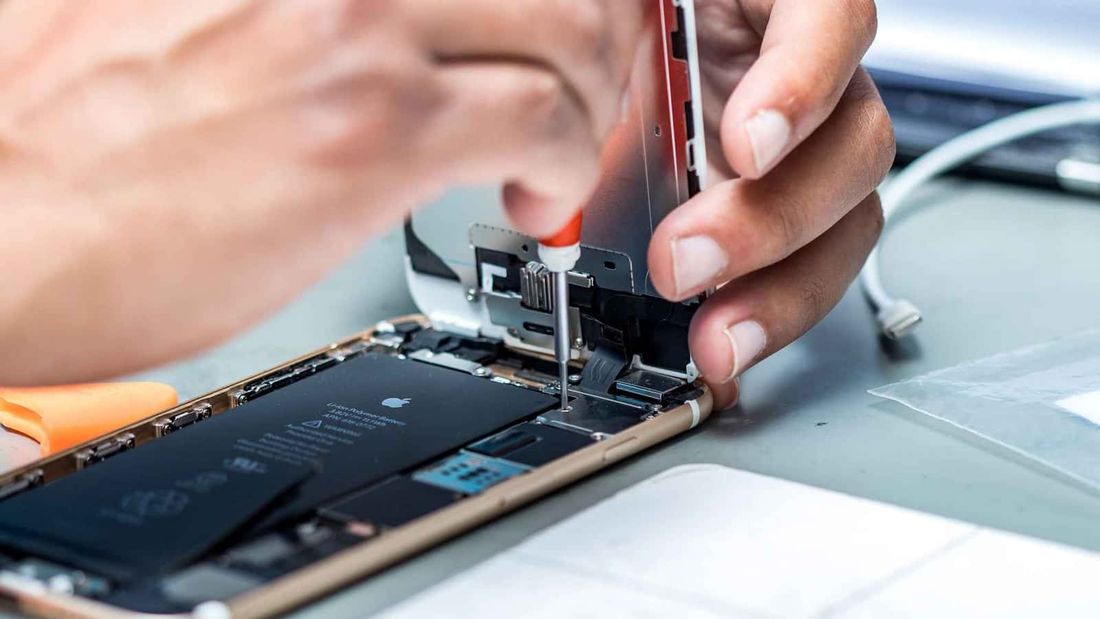
An iPhone screen breaks, prompting its owner to visit an independent repair shop to have it replaced with a new part, perhaps even a genuine one manufactured by Apple itself.
The surprise comes when the replacement screen fails to perform all its functions, displays a warning message, or causes certain features to stop working because of software restrictions linked to the repair process.
At this point, the issue is no longer simply about a costly repair bill. It raises a much broader question about consumers’ right to repair devices they have purchased and own, and whether manufacturers are entitled to control how phones are repaired even after they have been sold.
That question is now at the heart of a new legal dispute between Apple and consumer rights organizations. The company is set to face trial in France in 2027 over allegations that it restricts iPhone repairs outside its authorized service network.
French Trial
According to reports published by international media outlets in November, Apple is preparing to appear before a French court in June 2027 following a complaint filed by the French association HOP, which works to combat planned obsolescence and protect consumers’ right to extend the lifespan of electronic products.
The case dates back to a complaint filed by the association on December 7, 2022. It concerns repair practices involving 24 iPhone models, with Apple accused of obstructing repairs and refurbishment outside its authorized service network.
A procedural hearing is scheduled for February 25, 2027, to establish the trial timetable, with court arguments expected to begin in June of the same year in Paris.
At the Heart of the Dispute
The case centers on a technology known as Parts Pairing, a mechanism that links certain electronic components, such as screens, batteries, and cameras, to a device’s identity and serial number.
The French association says this technology can disable certain functions or limit their performance when parts are replaced outside Apple’s authorized network, even when the replacement components are genuine.
The association argues that these restrictions make phone repairs more difficult and expensive, limiting the ability of independent repair shops to provide their services. This could push consumers toward using the company’s service centers or replacing their devices rather than repairing them.
Apple Defends Its Procedures
Apple, for its part, rejects the allegations, maintaining that these practices are not intended to prevent repairs but are related to privacy, security, and device safety, as well as ensuring that components function properly.
The company also points out that it has revised its policies in recent years, expanded the use of certain genuine used parts in repairs, and eased some software restrictions related to replacement components.