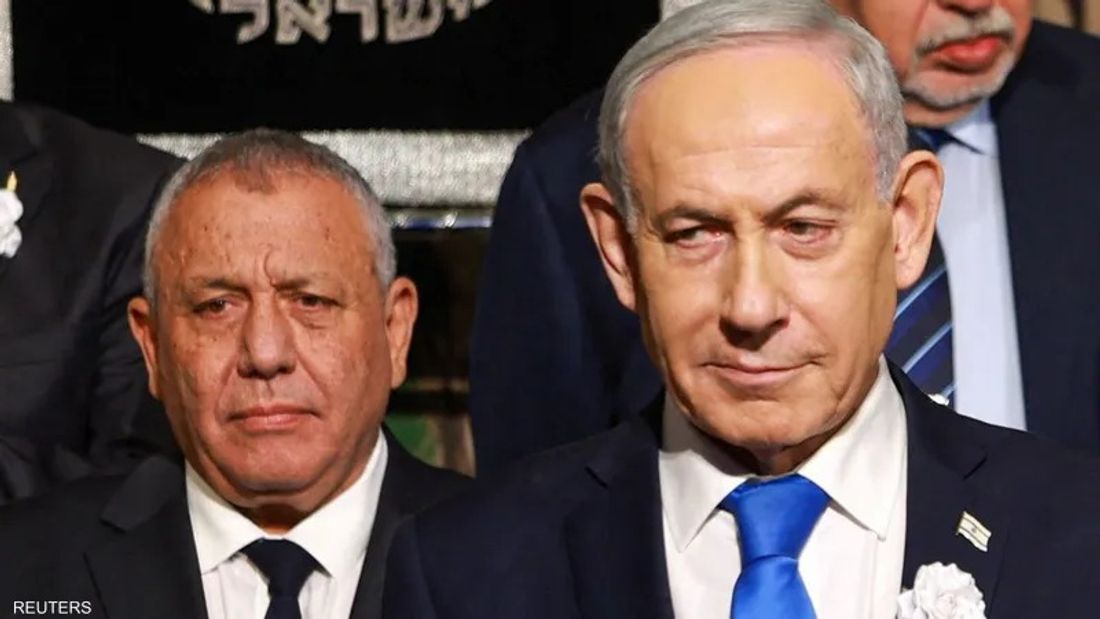
The Israeli newspaper Yedioth Ahronoth revealed a new political proposal being circulated among figures close to Prime Minister Benjamin Netanyahu and the camp led by Gadi Eisenkot. The initiative aims to form a national unity government headed by Netanyahu for two years, prior to his transition to the role of President of Israel in 2028.
According to the paper, the proposal seeks to overcome one of the main obstacles hindering a prime ministerial rotation agreement—specifically, ensuring that Netanyahu steps down at the end of his designated term, amid fears among his rivals of a repeat of his previous failed rotation deal with Benny Gantz.
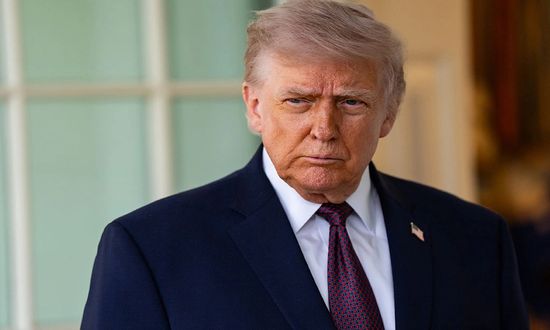
The report noted that Netanyahu refuses to relinquish the premiership during the first phase and insists on remaining in office for two years, a timeframe that largely coincides with the remainder of U.S. President Donald Trump’s term.
The proposal entails passing a legislative amendment allowing the election of a new president ahead of the expiration of current President Isaac Herzog's term on July 7, 2028. Under this arrangement, Netanyahu would be elected in advance to succeed him, while Eisenkot or another figure from the rival bloc would assume the premiership once the rotation period ends.
According to Yedioth Ahronoth, implementing this plan requires amending the existing law—which currently permits holding presidential elections no more than 90 days before the incumbent president's term expires—to extend that window to two years.
However, the proposal remains in its preliminary stages of discussion, and it is not yet clear whether Netanyahu or Eisenkot has agreed to it or expressed willingness to adopt it.
In parallel, the Likud party announced a new round of coalition negotiations with Eisenkot's "Yashar" party on Sunday, despite ongoing mutual accusations between the two sides over responsibility for stalling the talks.
Opposition leader Yair Lapid criticized Netanyahu's continued hold on power, stating that failing to swiftly remove him and form a new government poses a danger to Israel.
Conversely, Chili Tropper, Eisenkot’s representative in the negotiations, accused Likud of stalling and refusing to schedule dates to resume talks, while affirming his party's readiness to continue efforts toward forming a broad government.
Thus, the presidency is emerging as one of the potential exits from the Israeli political crisis, in an attempt to reconcile Netanyahu's insistence on staying in power with his rivals' demands to guarantee a transfer of the premiership—though no final understandings have materialized so far.