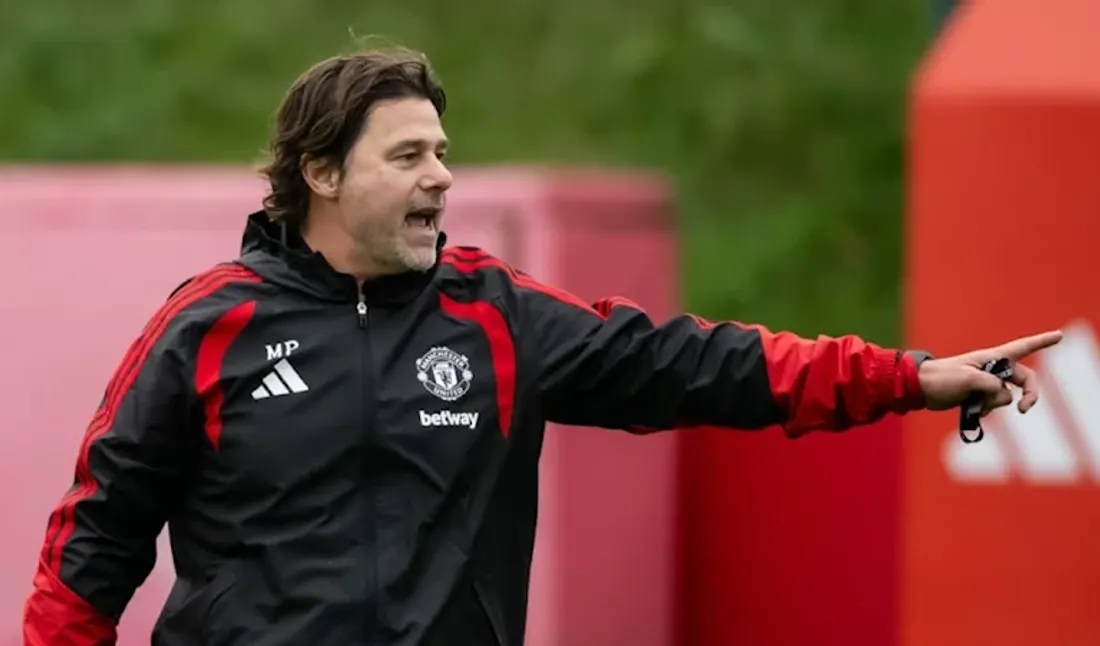
Instructions from someone within the club have created problems in recent times, as happened with former Manchester United manager, Portuguese coach Ruben Amorim. At his final press conference before being dismissed, he stated: “I came here to be the manager, not the coach.”
Another coach who faced similar problems was former Chelsea manager Enzo Maresca. During his final weeks at the club, he said he had not felt sufficiently “supported” by the management. Several reports subsequently emerged pointing to disagreements between him and the club's senior management over their interference, as well as his alleged reluctance to listen to recommendations from the medical staff.
Ultimately, past experience has shown that clubs have succeeded under managers with broad authority, provided the right person is in the right position and receives the necessary support. However, what worked over the past three decades may not necessarily apply to modern football, as clubs increasingly seek to establish management structures in which the person responsible for the team's technical affairs is a “coach” with limited authority.