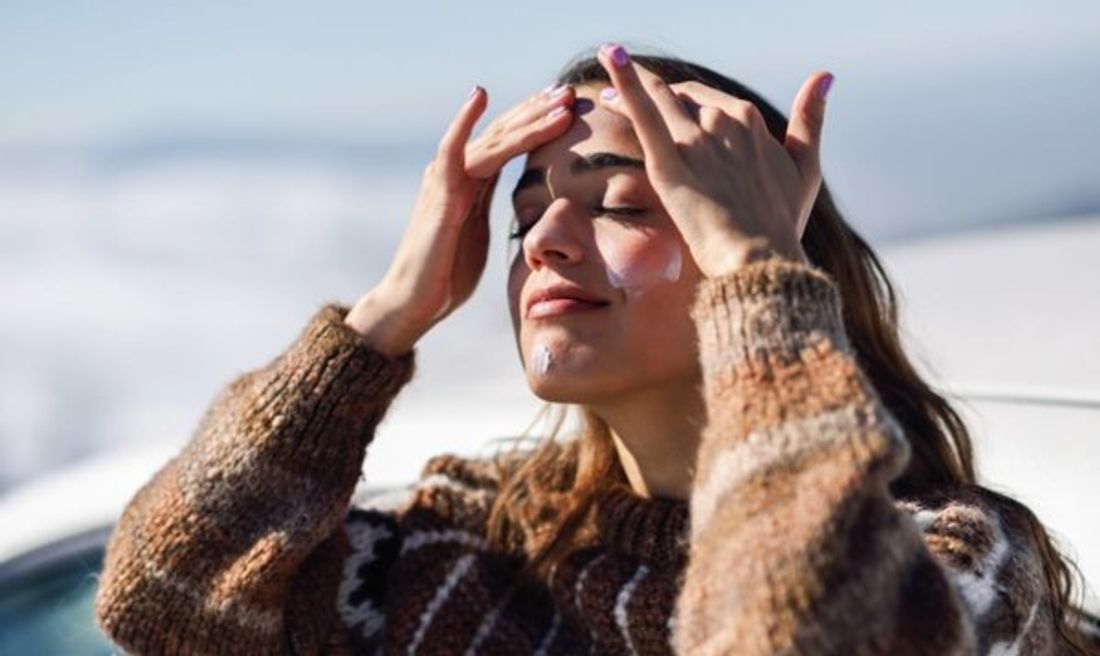
Facial redness in cold weather is a common skin concern during winter, as low temperatures, strong winds, and sudden temperature changes can make the skin more sensitive and prone to redness. While some people notice temporary redness after spending time outdoors, others experience persistent redness, irritation, and a burning sensation that becomes more intense during the colder months.
Causes of Facial Redness in Cold Weather
Facial redness during winter is linked to how blood vessels and the skin’s protective barrier respond to cold weather. Although this reaction is usually temporary, environmental factors and individual skin characteristics can make the redness more noticeable and uncomfortable. Here are the main reasons your face may become redder during winter:
1- Sudden Temperature Changes
Moving between cold outdoor conditions and warm indoor spaces is one of the most common causes of facial redness in cold weather. When exposed to low temperatures, the blood vessels in the skin constrict to preserve body heat. They then dilate again upon entering a warm room as blood flow increases. This rapid change in circulation can make the cheeks, nose, and forehead appear noticeably red, particularly if you have sensitive skin or naturally reactive blood vessels.
2- Cold Weather and Strong Winds
Low temperatures and winter winds affect the skin’s natural ability to protect itself, especially when spending long periods outdoors without adequate protection. Exposure to wind causes moisture to evaporate from the skin’s surface, leaving it dry, tight, and irritated. The combination of cold air and friction can also lead to visible redness. These reactions are often more pronounced in people with sensitive skin, as their skin barrier is less effective at protecting against environmental stressors.
3- A Weakened Skin Barrier
The skin barrier plays an important role in retaining moisture and protecting the face from external factors. However, cold weather, low humidity, and indoor heating systems can weaken this protective function. When the skin barrier is compromised, moisture evaporates more easily, leaving the skin drier, causing discomfort, and making it more vulnerable to irritation. This can lead to redness, flaking, itching, and a stinging sensation, particularly when using skincare products that previously caused no discomfort.
4- Worsening of Rosacea
If your face becomes particularly red during winter, rosacea may be the cause, especially if the redness is concentrated around the cheeks and nose. Rosacea is a chronic inflammatory skin condition that causes facial redness, visible blood vessels, and sometimes small acne-like bumps. Factors such as cold weather, wind, indoor heating, and sudden temperature changes are common triggers that can worsen symptoms, making winter a particularly challenging season for people with this condition.
5- Using Harsh Skincare Products
Your winter skincare routine may contribute to facial redness, particularly if it includes strong exfoliants, alcohol-based products, or cleansers that strip away the skin’s natural oils. Ingredients such as retinol and exfoliating acids may increase skin sensitivity when used frequently, especially if the skin is already dry or sensitive due to weather conditions. Reducing exfoliation, choosing gentle cleansers, and using a nourishing moisturizer can help restore the skin barrier and ease discomfort.
6- Showering With Hot Water
Although hot showers can feel comforting during the colder months, exposing your face to very hot water may worsen redness by causing blood vessels close to the skin’s surface to dilate. Excessive heat also strips away natural oils, leaving the skin drier and more sensitive to environmental stressors. It is therefore advisable to wash your face with lukewarm water and avoid prolonged direct exposure to heat, helping reduce irritation and maintain healthier-looking skin.