Oatmeal holds a prominent place among whole grains associated with heart health, but its benefits may go beyond promoting satiety and improving digestion. Studies suggest that eating it regularly as part of a balanced diet may help lower blood pressure, particularly in people with hypertension.
According to PubMed, this effect is linked to several nutrients found in oats, most notably soluble fiber known as beta-glucan, along with important minerals such as magnesium and potassium.
What Do the Studies Say?
A scientific review involving 21 randomized trials and more than 1,500 participants found that oat consumption was associated with an average reduction of approximately 2.8 mmHg in systolic blood pressure. The effect appeared to be greater among people with hypertension.
Although this reduction may seem modest, incorporating oats into a healthy eating pattern may provide additional support alongside other dietary and lifestyle measures.
Researchers believe that some of this benefit may be attributed to beta-glucan, a type of soluble fiber characteristic of oats. Its consumption has been linked to several benefits related to heart health, digestive regulation, and increased satiety.
A clinical study involving people with high blood pressure also found an association between beta-glucan intake and reductions in both systolic and diastolic blood pressure.
Potassium and Magnesium
The potential benefits of oats are not limited to fiber. They also contain minerals involved in important processes that regulate blood pressure.
According to the American Heart Association, potassium helps the body counteract the effects of sodium and contributes to relaxing the walls of blood vessels, which helps control blood pressure.
Magnesium also plays a role in blood vessel function and blood pressure regulation, making whole grains that contain this mineral a beneficial addition to the diet.
How Much Do We Need Each Day?
Approximately half a cup of dry oats, equivalent to around 40 grams, can be included in daily meals as a suitable serving within a balanced diet.
However, this amount should not be considered a “therapeutic dose” for high blood pressure. The quantities of oats used varied across studies, and there is no specific amount that can be relied upon to treat the condition.
Pay Attention to the Type of Oats
The way oats are selected and prepared can make a significant difference. Adding large amounts of sugar or consuming ready-made products high in sugar and salt may reduce the expected health benefits.
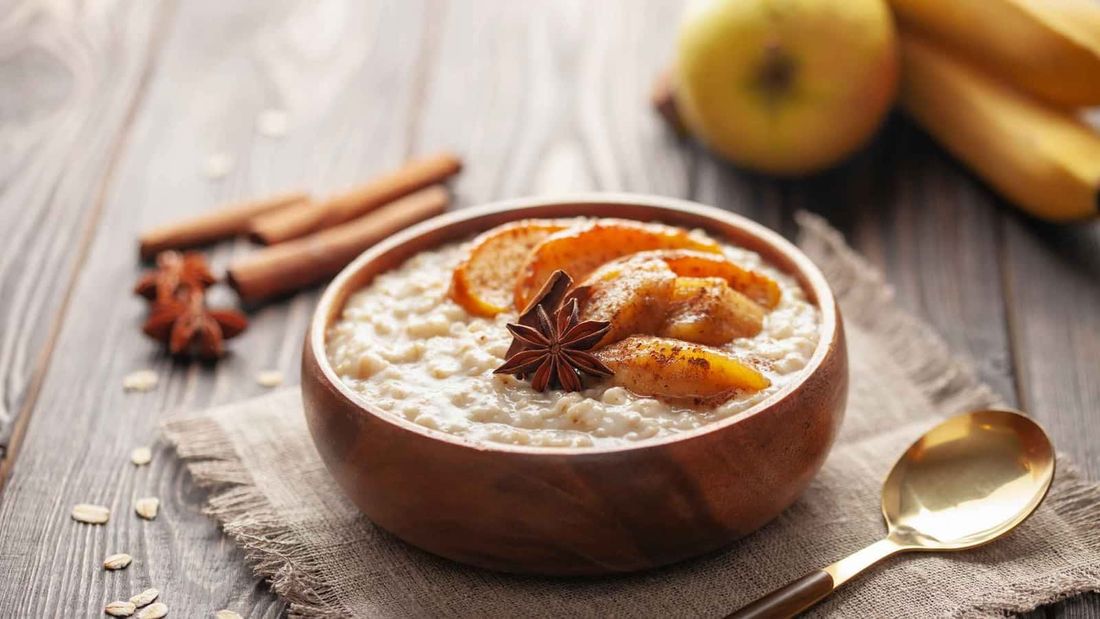
For this reason, it is preferable to choose unsweetened whole oats and prepare them with water or low-fat milk. Fresh fruit, unsalted nuts, or cinnamon can also be added for extra flavor without excessive sugar.
The American Heart Association includes whole grains, including oats, among the food choices that can form part of a heart-healthy diet.