Green tea is known for containing antioxidants that may support heart and brain health and help protect cells from damage. However, the timing of consumption plays a role in maximizing its benefits. Drinking it with certain meals may affect iron absorption, while consuming it in the evening may disrupt sleep in some people.
According to Health, it is best to drink green tea one to two hours after breakfast to reduce the effect of compounds known as catechins on the absorption of iron from plant-based foods.
Drinking it in the late morning or early afternoon is also a suitable option, as it contains caffeine and L-theanine, two compounds that may help improve focus and alertness.
Green tea can also be enjoyed with snacks as a low-calorie beverage. One cup contains approximately 30 milligrams of caffeine, compared with around 92 milligrams in a cup of coffee.
When Should You Avoid Green Tea?
It is advisable to avoid drinking green tea before bedtime, particularly for people who are more sensitive to caffeine, to prevent its potential impact on sleep quality.
It is also best not to drink it with meals rich in plant-based iron, such as lentils, spinach, and beans, or within an hour afterward. Additionally, it should not be consumed at the same time as iron supplements, as it may reduce the body's absorption of this mineral.
How Can You Preserve Its Antioxidants?
Green tea contains catechins, particularly EGCG, which are associated with antioxidant properties and may contribute to supporting heart, metabolic, and brain health. However, some of the available scientific evidence is based on studies examining dietary supplements rather than green tea itself.
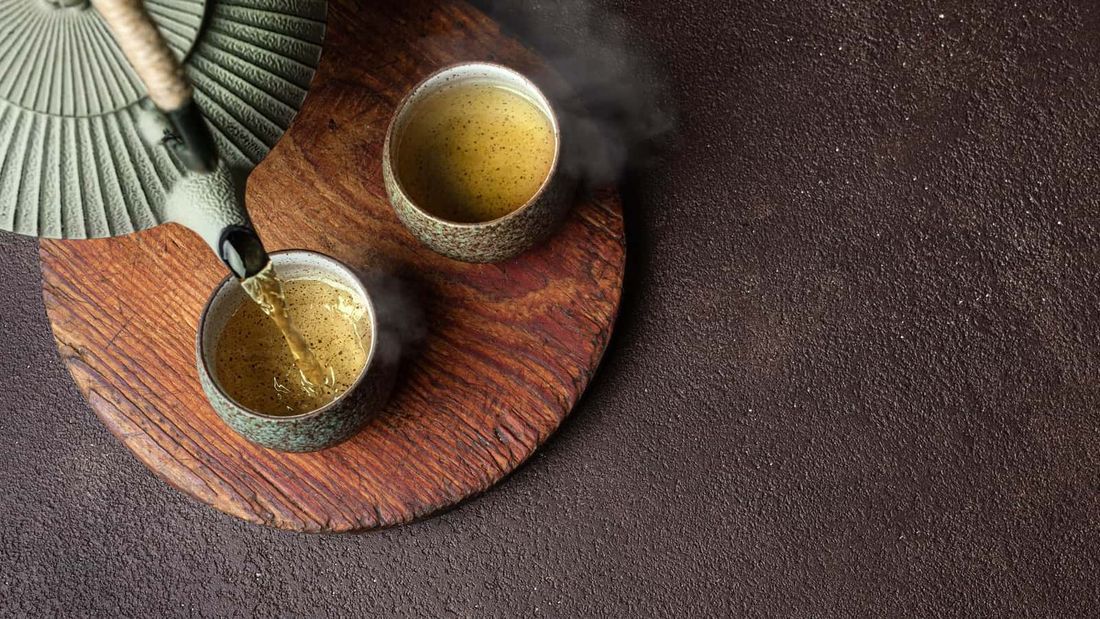
To preserve the tea's quality and beneficial compounds, it is recommended to store it in an airtight container away from heat, moisture, and light. It should be prepared using water heated to between 80 and 85 degrees Celsius, with the leaves steeped for five to 10 minutes.