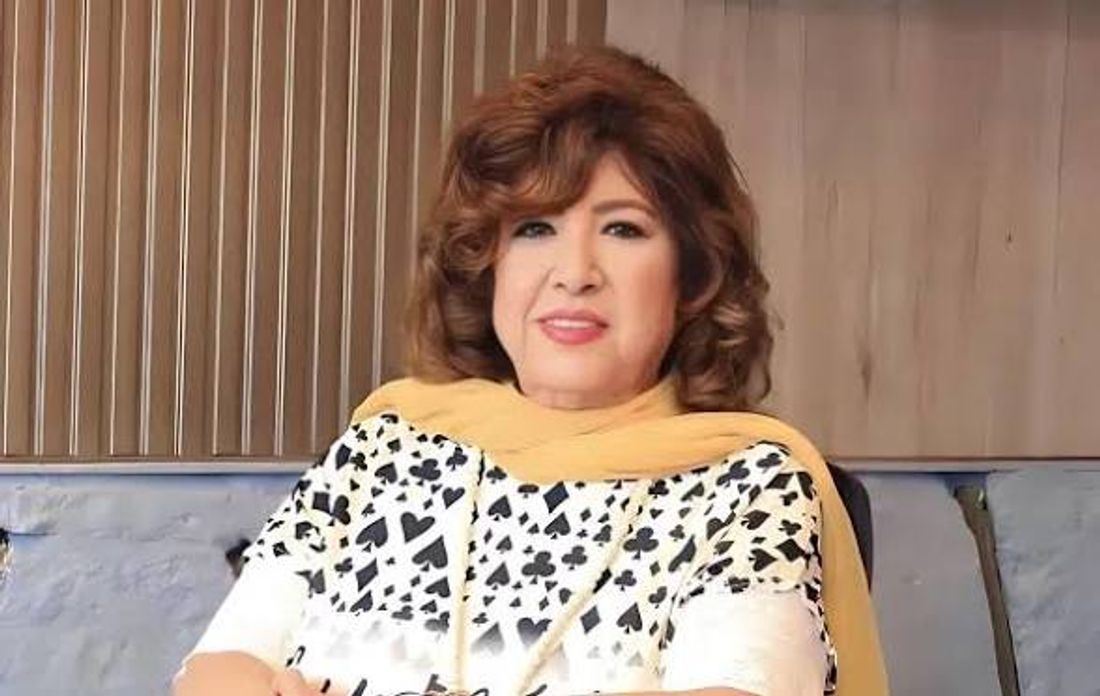
In a moving humanitarian and artistic gesture, Lebanon's "Beautiful Time" Festival revisited the career of the late Syrian actress Huda Shaarawi during its ninth edition, held on Sunday evening at Casino du Liban. A special report highlighted her decades-long career and her contributions to the Syrian entertainment scene through a number of prominent works.
The notable tribute brought the actress's life and legacy back into the spotlight nearly 10 months after her shocking death in a horrific murder committed by her domestic worker at the end of January.
The special report documented the late actress's most significant creative milestones in radio, theater, cinema, and television. Her enduring work was celebrated during an evening that also honored a distinguished group of Syrian, Lebanese, and Arab drama stars, including Jamal Suleiman, Fadia Khattab, and Nahed El-Halabi.
Born in 1938 in Damascus's Al-Shaghour neighborhood, Huda Shaarawi was a landmark figure in the history of Syrian entertainment. She began her artistic career at an early age and took part in establishing the Syrian Artists Syndicate.
Over a career spanning half a century, Shaarawi left an indelible mark on the memories of Arab listeners and viewers through dozens of memorable productions, including radio works, most notably the famous series Hukm Al-Adala.
On television, Shaarawi appeared in dozens of productions, taking on a variety of roles. Perhaps her most famous was her character in the traditional Damascene drama series Bab Al-Hara, in which she played "Al-Dayeh Umm Zaki," a role that earned her widespread fame both in Syria and across the Arab world.