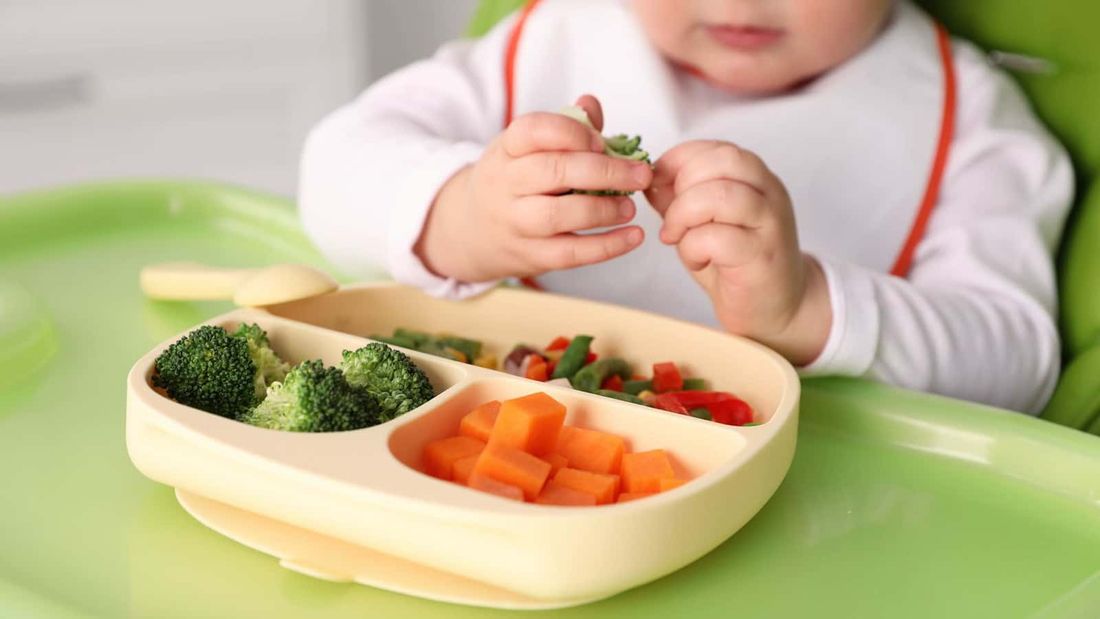
Fiber is an essential nutrient for children's health, as it helps improve digestion, regulate bowel movements, and prevent constipation. However, parents may find it difficult to include fiber-rich foods in their children's meals, particularly during stages when children refuse to try new foods.
Fiber helps food move more easily through the digestive system and is divided into two types: soluble fiber, found in fruits and vegetables, which helps soften stools; and insoluble fiber, found in whole grains, which adds bulk to stools and makes them easier to pass. Fiber also helps regulate blood sugar and cholesterol levels.
Children's daily fiber requirements vary according to age and sex, based on dietary recommendations. Children aged one to three need 19 grams per day, while those aged four to eight need 25 grams.
For children between the ages of nine and 13, the recommended daily intake is 31 grams for boys and 26 grams for girls. For boys aged 14 to 19, this increases to 38 grams, compared with 26 grams for girls.
Best Sources of Fiber for Children
Children's dietary fiber intake can be increased by offering whole grains such as oats, brown rice, and quinoa, along with fruits and vegetables, including apples, pears, avocados, berries, broccoli, and sweet potatoes.
Other sources include legumes such as lentils, chickpeas, and beans, as well as nuts and seeds like almonds, chia seeds, and flaxseeds.
Ways to Increase Fiber in Meals
It is recommended to introduce fiber-rich foods gradually to avoid gas and bloating. Mashed vegetables can be mixed into food sauces, and whole fruits can be served instead of their juices.
It is also preferable to involve children in choosing their foods and to serve nuts ground or in the form of nut butter to prevent choking. Legumes should be cooked thoroughly until soft.
Children should also be encouraged to drink water regularly, as increasing fiber intake without consuming enough fluids may raise the risk of constipation.